
Wednesday 11th November 2020
- Kieran Collins

- Nov 11, 2020
- 1 min read
Experiment:
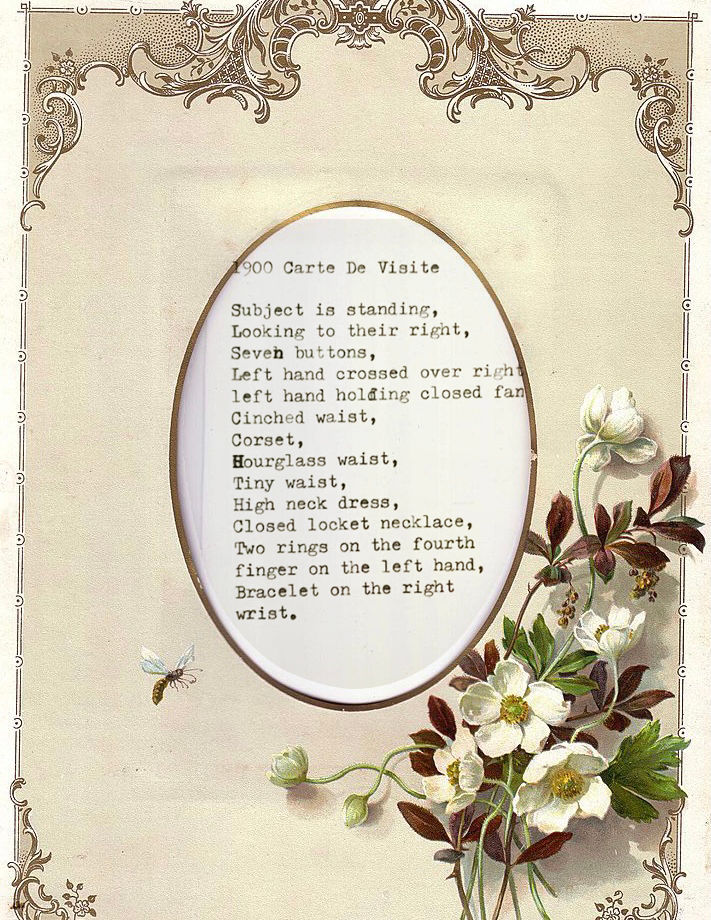
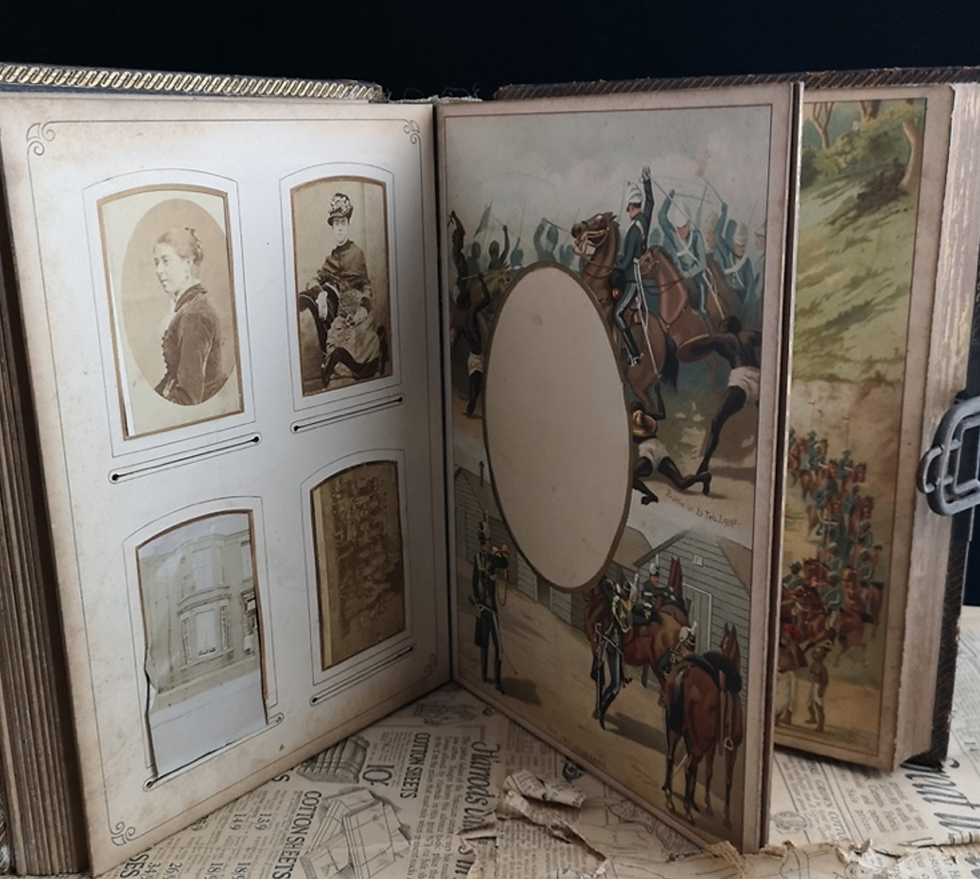
The photographic album was produced for the encouragement of taking and collecting photographs ‘the first album was produced in France, but they were available in Britain as early as the summer of 1861’ (Shrimpton, 2011, p.109). As the neat Carte de visite photograph became fashionable, inspiring the ‘cartomania’ craze, so the first purpose-designed photographic albums. The relationship between photographic prints and displaying them in the new album became a popular fashion in the early 1860’s. The album was designed to look like the family’s traditional bible. Early albums were stout volumes with heavy embossed leather and metal clasps.
Usually the first image within the album would be the original owner or the first member of the family who created it, the first album holder. Beyond that portrait photographs of husbands and wives were often displayed together followed by photographs of their children on the same page or opposite. Pages within the album would be decorated with flowers, birds or landscape scenes. Pages for the photographs are usually cream with printed thin gold lines and borders and corner designs, the early 1860s photo mounting is cut square at the bottom and curved at the top. A cut slot with drilled ends has been provided below to slip in the photograph into it. The construction of the page is thick card, being about the same as the thickness of two Carte de visite. Owners of the albums would be delighted with the arrangement of their photographs; from the way of displaying them the album owner would construct the family narrative.


Comments